


27th Jun 2026
2nd July 2026
12th July 2026
27th - 28th Jul 2026
"Stay updated with Science Cite Conference news."
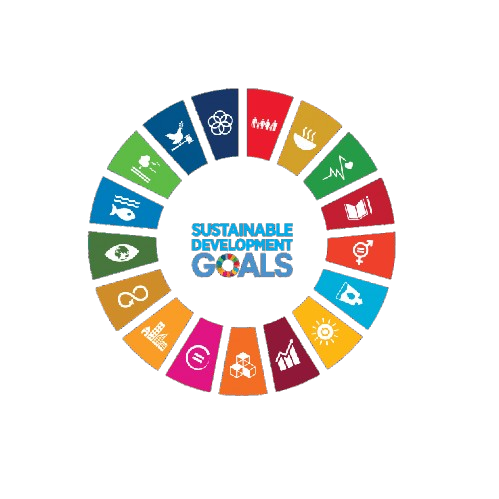
Aligned with
This conference contributes to global sustainability by aligning its research discussions and academic sessions with key United Nations Sustainable Development Goals. It fosters knowledge exchange, innovation, and collaborative engagement.
 SDG 3 — Good Health and Well-being
 SDG 4 — Quality Education
 SDG 8 — Decent Work and Economic Growth
 SDG 10 — Reduced Inequalities
This track explores the intersection of cognitive linguistics and the processes involved in language acquisition. It aims to uncover how cognitive mechanisms influence the understanding and production of language in both first and second language learners.
Focusing on the stages of language development in children, this track examines the cognitive and social factors that contribute to language acquisition. Contributions may include empirical studies, theoretical frameworks, and interdisciplinary approaches.
This session investigates the cognitive processes underlying bilingual language acquisition and use. It seeks to understand how bilingualism affects language comprehension, production, and cognitive flexibility.
This track delves into the relationship between syntax and semantics in language processing. It aims to present research that elucidates how syntactic structures influence semantic interpretation during language comprehension.
Focusing on the neurological aspects of language, this session examines the brain mechanisms involved in language acquisition and processing. Contributions may include neuroimaging studies and discussions on the implications for psycholinguistic theory.
This track addresses the cognitive models that explain speech processing mechanisms in both native and non-native speakers. It encourages submissions that explore the interaction between cognitive functions and speech perception.
Exploring the interplay between memory systems and language, this session invites research that investigates how memory influences language acquisition and usage. Interdisciplinary approaches that bridge psychology and linguistics are particularly welcome.
This track examines the cognitive aspects of phonological processing in language acquisition. It aims to highlight how phonological awareness contributes to language learning and literacy.
Focusing on the various modalities of language comprehension, this session explores how different forms of language input affect understanding. Contributions may include studies on written, spoken, and multimodal language processing.
This track emphasizes innovative methodologies in psycholinguistic research, including experimental designs and data analysis techniques. It aims to foster discussions on best practices and emerging trends in the field.
This session investigates the role of poetry in language acquisition and its cognitive implications. It encourages submissions that explore how poetic structures and language play enhance linguistic skills and creativity.


















Copyright © . All Rights Reserved Terms and Conditions